Have you ever thought about how bad rainwater management can hurt cities? It can flood homes and damage foundations. As cities grow and face more climate challenges, knowing why is storm drainage important is key. It keeps our communities and nature safe.
Good storm drainage systems stop flooding and erosion. They are key for keeping cities safe and supporting green growth.
Storm drains need cleaning at least twice a year to work right. They should be checked once a year and after big storms. If we ignore them, fixing them can cost a lot.
Storm drainage also keeps pollutants out of our water. This helps our water stay clean and protects fish and other sea creatures. As cities get bigger, having a good stormwater system is more important than ever.
Key Takeaways
- Storm drains require biannual cleaning to maintain effectiveness.
- Annual inspections are key, even more so after big storms.
- Bad storm drainage can cause big repair bills.
- Regular upkeep makes storm drainage systems last longer.
- Good stormwater management is vital for clean water.
- Without good storm drainage, communities face big challenges.
- Effective storm drainage protects homes and cities from floods.
Understanding Storm Drainage Systems
Storm drainage systems are key in managing rainwater and preventing floods in cities. They help control rainwater runoff, protecting homes and landscapes. Knowing about storm drainage is vital for property owners to avoid flooding.
What is Storm Drainage?
Storm drainage is about collecting and moving rainwater away from cities. It uses catch basins, pipes, and outfalls to do this. Without good storm drainage, homes can face expensive water damage.
Components of a Storm Drainage System
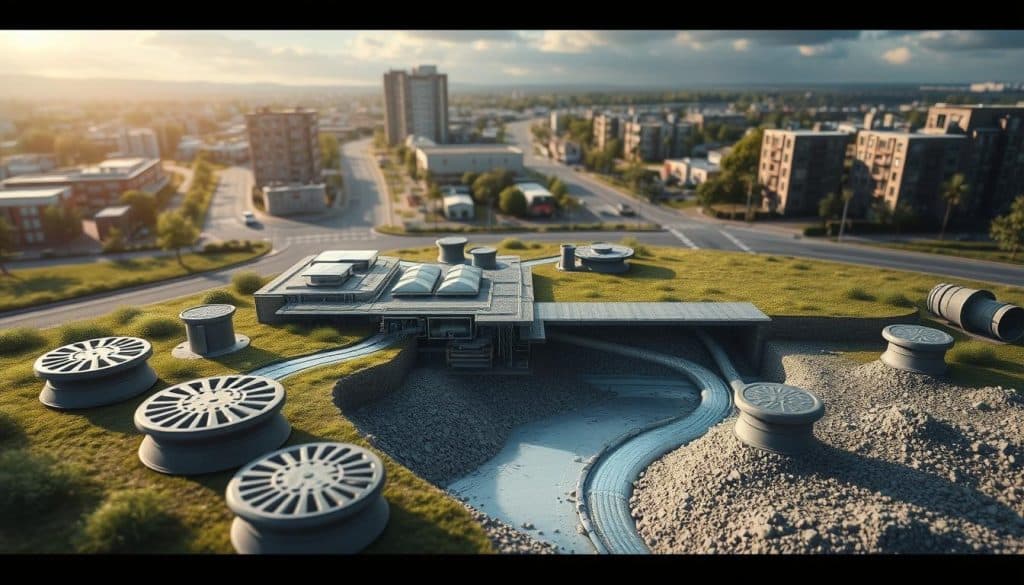
A storm drainage system has important parts. Catch basins catch debris and let water into pipes. Detention tanks hold water during heavy rain. Permeable surfaces help water soak into the ground.
Keeping these parts in good shape is key. It helps prevent flooding and keeps the system working right.
How Rainwater Affects Your Home
Rainwater can harm homes a lot. It can cause flooding, erosion, and damage. It can also lead to mold growth.
Water can get into basements or damage foundations. Keeping the home’s foundation dry is important. Knowing how to manage stormwater is essential for homeowners.
Preventing Water Damage to Your Property
Water damage is a big worry for many homeowners. About 75% of them face it at some point. Knowing where water can get in is the first step to stop it.
Heavy rain, bad grading, and clogged gutters can all lead to too much water. This can cause a lot of damage.
Common Sources of Water Intrusion
Finding out where water can get in is key. Clogged storm drains cause about 50% of floods during heavy rain. Old homes are more at risk because of aging infrastructure.
Regular checks and upkeep are very important.
The Role of Drainage in Water Prevention
Good drainage keeps water away from your home’s foundation. Using solutions like French drains can cut down flooding by 60% in high runoff areas. This saves money on expensive fixes inside your home.
Benefits of Exterior Solutions
Exterior drainage solutions have many benefits. They can cut down pollutants in runoff by 80%, helping the environment. They also protect your home’s value.
Things like good landscaping, gutter guards, and stormwater pits help a lot. They’re smart investments for any homeowner.
The Importance of Proper Drainage Design
Proper drainage design is key to managing stormwater well. It follows effective drainage principles, taking into account the site’s topography and hydrology. A good drainage system captures and redirects runoff, avoiding water damage. Without it, properties are at risk, mainly concerning foundation impacts.
Key Principles of Effective Drainage
Effective drainage starts with understanding environmental factors. It aims to manage flows to prevent pooling and erosion. Patio designs with a slight slope (1-2%) help water flow better. Also, using permeable pavers can greatly reduce runoff, meeting local building standards.
Impact of Poor Drainage on Foundations
Poor drainage can harm foundations, often due to water buildup and erosion. About 40% of homeowners face structural problems because of bad drainage. Improper development in floodplain areas makes foundation damage worse. This can lead to expensive repairs, weakening the structure’s integrity.
Long-Term Cost Benefits
Investing in good drainage design saves money in the long run. A well-kept drainage system can be up to 80% more efficient, reducing water damage risks. By taking proactive steps, owners can avoid costly damages from poor drainage. Solutions like French drains can cut surface pooling by 90%, safeguarding foundations and infrastructure.
Storm Drainage versus Interior Drain Systems
When dealing with water problems, it’s key to know the difference between storm drainage and interior drainage. This knowledge helps homeowners make smart choices and find cost-effective solutions. Storm drainage is often cheaper than interior systems. It keeps water outside, avoiding the high costs of interior fixes.
The Cost Comparison
Storm drainage systems are usually less expensive than interior ones. Choosing to manage water outside can save a lot of money. For those looking into a drainage first method, it’s clear that it’s a smart investment. It keeps water away from your home, reducing the need for costly repairs later.
Why Drainage First is Ideal
Going for drainage first has many benefits. It keeps water away from your home, protecting it from damage. This method not only solves immediate problems but also strengthens your home’s foundation. It leads to fewer repairs and lower costs in the long run, compared to just fixing the inside.
Limitations of Interior Solutions
Interior drain systems might seem like a good idea, but they have their limits. They mainly deal with water that’s already inside. They might help for a while, but they don’t solve the main problem of water getting in. Knowing the difference between storm drainage and interior systems is important. It ensures your home is fully protected from water issues.
Common Storm Drainage Solutions Offered
Effective storm drainage solutions are key to managing rainwater and preventing water damage. There are many options available to tackle the challenges of stormwater. Each solution plays a role in ensuring drainage systems work well.
French Drains
French drains are a favorite for moving water away from trouble spots. They have a trench filled with gravel or rock and a perforated pipe. This pipe collects and directs water, protecting basements and foundations from damage.
Catch Basins
Catch basins are vital for catching debris and sediment that can block drainage. They trap materials like leaves and soil, keeping them out of larger systems. Using catch basins helps prevent flooding and keeps drainage systems working.
Downspout Drainage
Downspout drainage systems direct rainwater from roofs to safe areas away from foundations. This stops water from pooling around the property, which can cause damage. Installing downspout drainage keeps water away, protecting the home.
How Drainage First Addresses Your Needs
At Drainage First, we’re all about solving storm drainage problems. We tailor our services to fit your home’s needs. Our ‘drainage first’ approach means we understand your site’s unique conditions and fix water issues.
Our Approach to Storm Drainage
We start by checking your home’s drainage system. We look at site topography and current drainage setups. This helps us find and fix water problems for good.
Good drainage design is key. About 75% of structural problems come from bad drainage during site prep.
Comprehensive Assessment and Solutions
Drainage First is great at assessing your drainage needs. We make sure our solutions fix current problems and prevent new ones. Our focus on grading and maintenance can cut surface runoff by 50%.
We also stress the need for regular checks and cleanings. This keeps your storm drainage systems working well, making your property last longer.
Cost-Effective Service Options
We know you want affordable solutions without losing quality. Investing in good drainage and maintenance saves you money on repairs. Following drainage rules can cut down on extra costs by 20%.
Drainage First offers value with our skilled services. Every dollar you spend helps keep your home safe and stable.
Signs Your Home Needs Storm Drainage
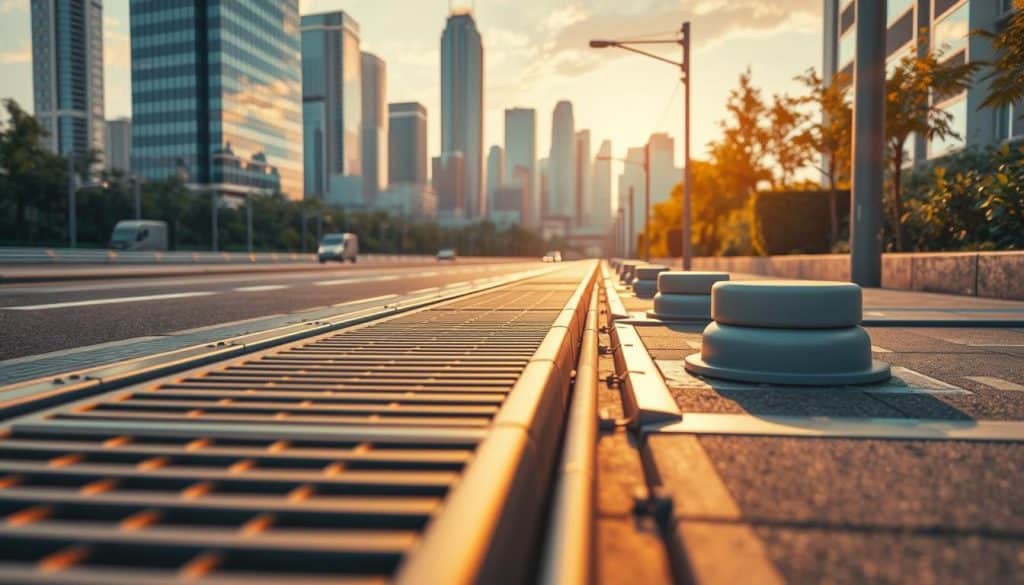
Homeowners should watch for signs that their home needs better storm drainage. Spotting these signs early can stop big damage and expensive fixes. Look out for water damage, bad smells, and soil erosion as key signs.
Visible Water Damage Indicators
Water damage shows up as ugly stains on walls and ceilings. These stains mean too much moisture, often from bad drainage. If ignored, it can cause big structural problems and cost a lot, with prices ranging from $1,000 to $8,000.
Unpleasant Smells and Mold Issues
Mold loves damp places, causing bad smells in homes. Musty smells mean there might be water problems. This not only makes the air inside worse but can also weaken your home’s structure, showing the need for good drainage.
Soil Erosion Around Your Home
Soil erosion is a big problem for many homes, affecting about 75% because of bad drainage. Look for exposed plant roots and uneven ground near the foundation. Fixing soil erosion quickly is key to keeping your landscape looking good and your home stable.
The Environmental Impact of Storm Drainage
Storm drainage systems are key in reducing the environmental harm from urban growth. They help manage stormwater, cutting down on flooding and keeping water clean.
Reducing Urban Flooding Risks
Stormwater runoff is a big problem in cities, causing up to 55% of rainwater to flow off. This is much more than in natural areas, where only 10% does. By managing this runoff, cities can avoid damage from heavy rains.
For instance, green roofs can cut down stormwater runoff by 50-90%. This not only helps prevent floods but also beautifies cityscapes.
Water Quality Protection
Storm drainage systems are vital for keeping water clean. Untreated stormwater can carry pollutants like dirt, oil, and chemicals into rivers and lakes. Sediment basins can remove up to 80% of these pollutants.
This helps protect water for both people and animals, following the Environmental Protection Agency’s rules.
Promoting Sustainable Practices
Good storm drainage management encourages green living. By disposing of waste properly and using permeable surfaces, we can reduce runoff. This helps recharge groundwater and lowers pollution.
Healthy habits at home also play a big role. Workshops, like those by Phoenix Water, teach people how to reduce stormwater pollution.
DIY Drainage Vs. Professional Help
Many homeowners think DIY drainage is a good idea. It might seem cheap, but it can be risky. Bad stormwater management can harm homes and public safety.
Risks of DIY Storm Drainage Solutions
DIY drainage systems can fail, causing water problems. About 40% of homes in flood areas face flooding. It’s key to clean storm drains yearly to stop blockages.
Ignoring regular checks can lead to expensive fixes. DIY fixes might not solve the real issue.
Benefits of Hiring Professionals
Getting professional help has many benefits. Experts know how to design and keep storm drainage systems right. They use special tools to clean and check systems.
This reduces dangers from water on roads. Plus, pros save money in the long run by avoiding big flood damages.
Drainage First’s Expertise
Drainage First focuses on detailed checks and custom solutions. They tackle complex drainage issues. Choosing them means your system is in good hands with certified pros.
Foundation Repair and Storm Drainage
Poor storm drainage can harm a home’s foundation. It’s key to fix drainage problems quickly. Too much moisture can cause cracks or settling in the foundation.
Knowing the signs of bad drainage is the first step. This helps keep your home’s foundation strong.
How Poor Drainage Affects Foundations
Water around a foundation can cause a lot of damage. It creates pressure that can harm the structure. Clay soils get worse because they expand and contract with moisture.
This movement can lead to cracks and even failure. Signs of bad drainage include visible cracks and water pooling.
Importance of Timely Repairs
Fixing problems quickly is very important. When foundation issues happen, getting repairs and drainage solutions fast can save a lot of money. Regular upkeep and quick action after spotting problems can lower costs and make your property safer.
Drainage Solutions for Foundation Issues
Drainage solutions like French drains can help a lot. They can cut down hydrostatic pressure by 50% to 70%. Surface and subsurface drainage systems also help manage water and soil moisture.
Fixing drainage problems early on protects your foundation. It also keeps your landscaping healthy.
Maintenance Tips for Storm Drainage Systems
Keeping storm drainage systems in good shape is key. Regular checks and cleanings are important steps for homeowners. This is true, more so before heavy rain seasons start. Being ahead of the game helps avoid clogs and keeps water flowing smoothly.
Regular Inspections and Cleanings
Checking storm drains regularly is a must. Experts say do it at least twice a year. This helps spot and clear blockages early on. It also saves money on big repairs later on.
In places like Miami, where it rains a lot, cleaning them often is even more important. It helps deal with debris issues.
Seasonal Preparation Tips
Getting your drainage system ready for the seasons can stop water overflow. Before the rainy season, clear out leaves, dirt, and other stuff from storm drains. This makes your system work better and last longer.
Doing this can cut down on flooding by almost half in areas at high risk.
Signs of Malfunction
Knowing when your storm drain is not working right is important. Look for signs like water pooling, bad smells, or more pests. These usually mean there’s a blockage or a pipe problem.
Fixing these issues fast keeps your system running well. It also helps manage stormwater effectively.
Contact Drainage First for Your Needs
Choosing Drainage First means you get solutions that fit your needs. Our team knows how to handle storm drainage issues. We help protect your property from flooding and damage.
Ignoring storm drains can lead to big problems. Repair costs can range from $1,000 to $10,000. So, keeping your drains in good shape is key.
Why Choose Us for Your Drainage Solutions
At Drainage First, we focus on preventing stormwater problems. We use advanced tech, like hydrojet, to clear blockages fast. This keeps your drains working right.
Regular maintenance cuts down emergency issues by 60% a year. It also saves you 25% on future repairs. Our team makes your property safer and improves water quality.
Get a Free Consultation Today
Ready to tackle your storm drainage issues? Contact Drainage First for a free consultation. Our team is here to help and answer your questions.
Call us at (678) 389-9544 to learn more or schedule a visit. Don’t wait for drainage problems to get worse. Act now.
